
Both routes can build a beautiful house. The real difference between design-build and hiring a separate architect and builder is when the builder joins the conversation. With design-build, the builder is in the room from the first sketch, so the house gets priced while it is being drawn. With the separate route, the design is usually finished first and priced after. Our honest advice either way: bring the builder in early.
We work both ways at DVLP. Some owners come to us with an architect they already love. Others ask us to put the whole team together. Here is what we have learned from both sides of the table.
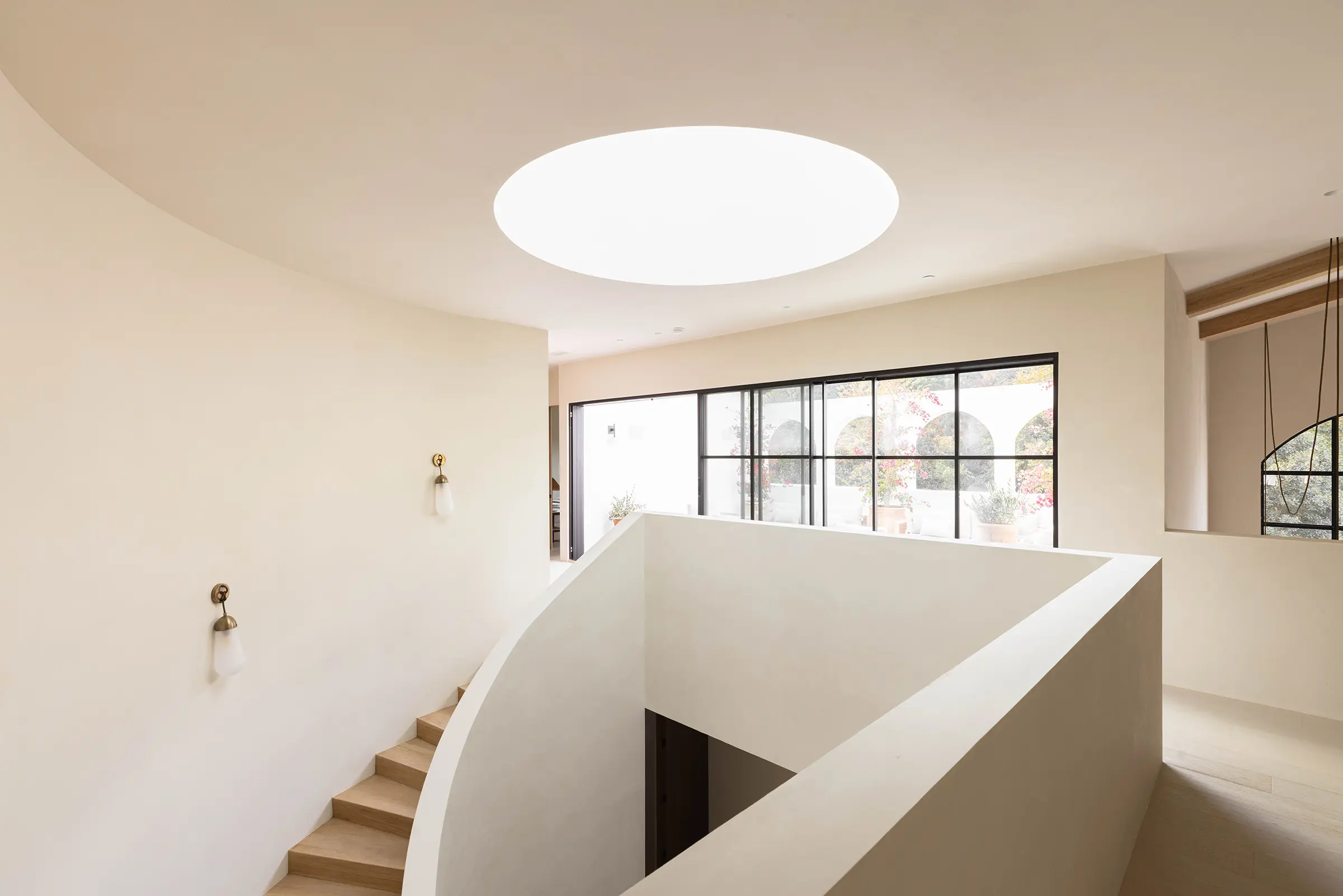
The two ways to get a custom home built
Either way, a custom home goes through the same chain of work before anyone breaks ground. First, a surveyor maps the lot, and at the same time a soils engineer (plus a geologist on many hillside lots) studies the ground. With the survey in hand, the architect designs the house. A structural engineer turns the design into beams, footings and connections that will hold up. Title 24 energy calculations, grading and drainage plans, and any other studies the site calls for get done. Then the full set goes to the city for plan check, comes back with corrections, and gets revised until the permit is issued. If you want the detail on that last stretch, we wrote about how plan check really works in Los Angeles.
The difference is who is steering. In the separate route, often called design, bid, build, you hire the architect and the consultants, and builders usually see the plans only once that whole chain is finished, when they are asked to price them. In design-build, one team carries the project from the first sketch to the final walkthrough, and the builder works alongside the architect, engineers and consultants at every one of those steps.
Design first
The architect develops the design with you. A builder usually is not involved yet.
Design and price together
The builder sits in on design and prices ideas as they come up, while they are still easy to change.
Price comes late
Builders price the finished plans. If the number is over budget, the design goes back for changes.
Price is known early
By the time plans are done, the budget has been checked many times along the way.
Questions go to you
When the architect needs a decision, it lands on the owner, who may not have built before.
Questions go to the builder
The builder acts as your representative and answers from experience, then brings you the decisions that are truly yours.
Designing to the budget, not past it
This is the biggest advantage of design-build. Architects are trained to design from imagination and flow, and that is exactly what you want from them. But a design that nobody priced along the way can easily grow past what the owner planned to spend. Then the choice is painful: redraw the house, or stretch the budget.
When the builder is part of design, those calls get made early and quietly. Here is a real kind of example. On a modern house, the architect specifies glass railings everywhere, because glass is part of the look. One of those railings is on an exterior side stair leading up to a second story ADU, squeezed between the house and the neighbor. Nobody will ever see that stair from the street or the yard. A builder pricing the design along the way would point out that a simpler railing there saves real money without changing how the house looks or feels. Multiply that kind of call across a whole house and it adds up.
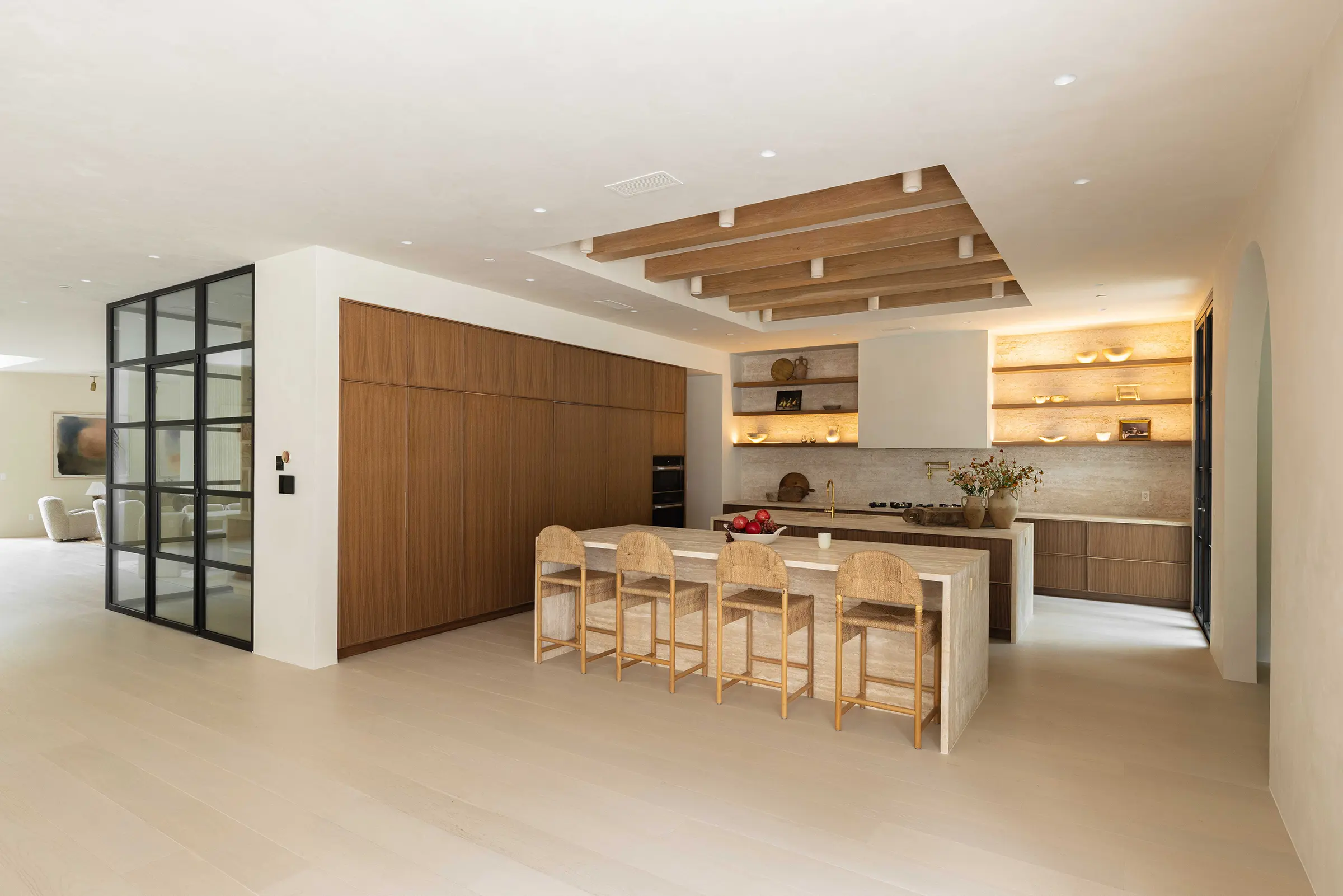
Site realities a drawing can miss
Plans are drawn on a screen. Houses get built on real lots, on real streets, with real City departments involved. Builders deal with those realities every day, and they tend to spot problems before they are expensive.
A common one in Los Angeles: the design moves the driveway to a new spot, and the new driveway approach lands right where a street tree stands in the parkway. That tree belongs to the City’s Urban Forestry Division, not to you, and in practice you cannot just move it. If nobody catches it until permitting or construction, the site plan has to change late, and late changes cost time and money. A builder walking the lot during design flags it on day one.
Faster answers, faster turnaround
Every design raises questions. Which way does the drainage run? Can that beam be hidden in the ceiling? What does a given choice do to the schedule? In the separate route, many of these land on the owner, who then has to go find an answer. In design-build, the builder steps in as the owner’s representative and answers from experience, usually the same day. Fewer questions sit waiting, so drawings move faster, and that speed carries into permitting.
The same goes for plan check. Once plans are submitted, the City sends back corrections, and how fast those get answered shapes the whole timeline. (We explain the process in why plan check takes more than one round.) We work with an expediter we consider the best in Los Angeles, and we are happy to share who that is when you call.
How we set it up so the team works for you
Some owners hesitate at design-build because they wonder whose side the architect is on when the builder brought them in. It is a fair question, and the answer comes down to how the project is set up. Here is how we do it:
- You sign directly with the architect. The architect and engineers are your consultants under your own agreements. Their fees go straight to them, with no builder markup on top.
- The plans are yours to keep. Whatever happens, the drawings belong to you.
- Consultant fees are open. You see exactly what each advisor charges.
- The build is a guaranteed price. We price the house once the design is set and stand behind that number. That gives us every reason to help design a house that can actually be built for it.
- We work with a few go-to architects. Our architects are not in house. They are outside firms we have built with before, chosen for the kind of house you want.
When the separate route makes sense
If you already have an architect you trust, or a set of plans in progress, there is no reason to start over. Plenty of great houses get built this way. The key is not to wait for finished plans before a builder sees them. Bring one in while the design can still change, to review it for budget, the site and how it will actually go together. That one step captures most of what design-build offers, without changing your team.
We build from outside architects’ plans all the time, and we are glad to review a design in progress.
Bring the builder in early, either way
- Talk budget before the first sketch. Give your architect and builder the same number, and ask both to design to it.
- Walk the lot and the street together. Trees in the parkway, slopes, access and neighbors shape the design more than people expect.
- Price the design at each stage. Rough numbers at concept, firmer numbers as the drawings develop. No surprises at the end.
- Agree on who answers questions. Decide early who speaks for you with the architect and engineers, and how fast decisions get made.
- Know who owns what. Who you sign with for design, who owns the plans, and how the build will be priced.
Builder’s notes, by email
Get the next post in your inbox
A new post every two weeks on building a custom home in Los Angeles: soils, plan check, budgets and what really happens on site. Written by Ram Gabay, the builder. Unsubscribe anytime.
Please enter a valid email address.
You’re on the list
Thanks for subscribing.
A welcome note is on its way to your inbox. The next post will follow when it goes live.
Common questions
What is the main difference between design-build and hiring an architect and a builder separately?
Timing. In design-build the builder is involved from the first sketch, so budget and site issues are caught during design. In the separate route the builder usually sees the plans only after they are finished.
Is design-build more expensive?
Not by nature. Because the design is priced as it develops, design-build tends to avoid the most expensive surprise of all: a finished design that comes in over budget and has to be redrawn.
Who owns the plans in a design-build project?
At DVLP, you do. You sign directly with the architect, and the plans are yours to keep regardless of what happens with the build.
Can I bring my own architect to a design-build firm?
Yes. We work with outside architects regularly. The earlier we can review the design, the more we can help with budget and site issues.
Does design-build make permitting faster?
It can help. Questions during design get answered faster, and an experienced team with a strong expediter answers City corrections quickly. The City’s own review time stays the same either way.
Why plan check takes more than one roundHow long a soils report really takesEO1 or EO8 for a Palisades rebuild
Thinking about a ground-up build in Greater Los Angeles?
The first conversation is 30 minutes. No pitch, no pressure. We’ll tell you honestly whether we’re the right fit, and if we’re not, we’ll tell you that too.
Start a conversation (818) 825-8700
Want a rough number first? Try the cost calculator